 Save
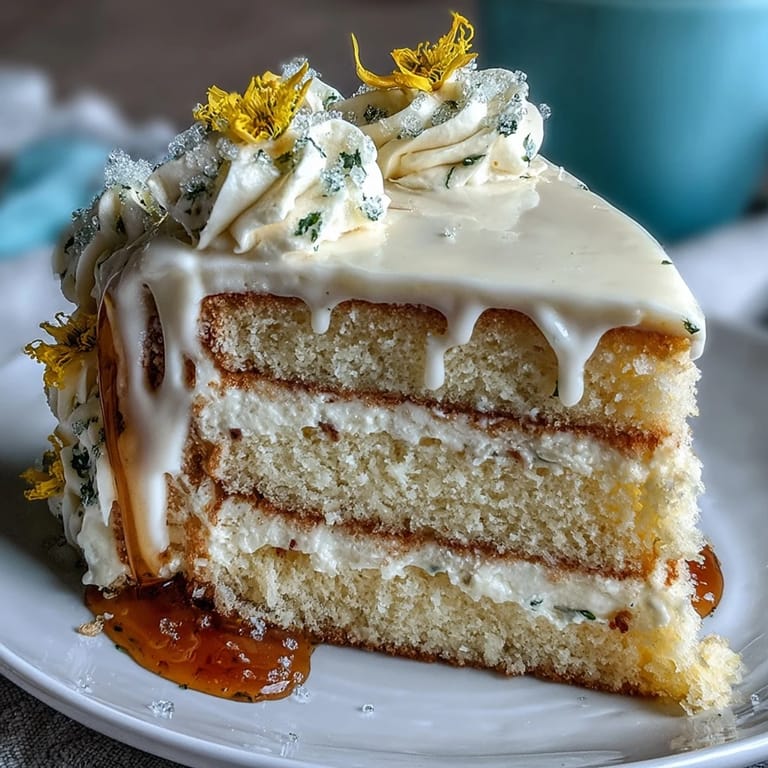
Save When I walked into the kitchen that morning, a bright burst of lemons greeted me from the fruit bowl, their fragrance mingling with the soft hum of the oven already warming up. It wasn’t a grand occasion yet, just the quiet anticipation of baking something beautiful for someone special. Mixing and layering are some of my favorite therapy sessions—especially when edible flowers are involved. This particular lemon curd layer cake has transformed from a simple idea to an exuberant Mother’s Day showstopper, full of tang, cream, and charm. Every time I make it, I end up finding a new twist with how I scatter the flowers on top.
Last spring, my little niece insisted on helping, determined to lay every single edible flower just so—even if some landed upside-down. We giggled over misaligned petals and lopsided slices, but when the cake was finally presented, everyone paused to admire it before diving in. That unexpected hush as the first forkfuls were tasted is one of my favorite cooking memories. There’s something about zesty citrus and gentle cream that brings a table together, even on rainy days. This cake’s become our annual centerpiece since then.
Ingredients
- All-purpose flour: Sift it first—the difference is a crumb so soft you’ll wonder why you ever skipped this step.
- Baking powder and baking soda: Together, they make the sponge rise beautifully, a trick I learned after a few flat attempts.
- Salt: Don’t skip it—just a touch sharpens the lemon’s brightness in the cake.
- Unsalted butter: Room temperature makes creaming with sugar a dream, resulting in fluffier layers.
- Granulated sugar: For both cake and curd, it balances lemon’s zing without overwhelming it.
- Eggs: Use them at room temp to avoid curdling the batter and to get that velvety curd consistency.
- Lemon zest and juice: Fresh lemons, always—the oils are more vibrant and the squeeze is worth it.
- Vanilla extract: It rounds out the flavors, softening any sharp edges from the citrus.
- Whole milk: Room temperature ensures an even batter, no weird streaks or lumps.
- Powdered sugar: In the frosting, it gives a silky, lightly sweet finish without being gritty.
- Heavy cream: Frosts lighter than buttercream and allows the lemon to shine through (plus, it’s easier on a warm day).
- Assorted edible flowers: Double-check that they’re organic and edible—pansies, violas, and nasturtiums give the best colors; skip flowers from florists unless labeled food-safe.
Tired of Takeout? 🥡
Get 10 meals you can make faster than delivery arrives. Seriously.
One email. No spam. Unsubscribe anytime.
Instructions
- Prepare your pans and preheat:
- Line and grease three 8-inch pans, letting the parchment hug the base—smelling that first whiff of butter is when the cake officially ‘begins’ in my mind.
- Mix dry ingredients:
- Sift flour, baking powder, baking soda, and salt together; the airiness makes the batter feel practically weightless.
- Cream butter and sugar:
- Beat until pale and fluffy; you’ll know it’s right when the mixture almost looks like whipped cream, and it’s hard not to sneak a taste.
- Incorporate eggs and flavor:
- Add eggs one at a time, followed by lemon zest, juice, and vanilla; the kitchen will suddenly smell like summer.
- Combine wet and dry:
- Mix in flour mixture and milk in turns, starting and ending with flour; stop once just combined for a tender crumb.
- Divide and bake:
- Pour evenly into pans, smooth the tops, and slide into the oven—look for a gentle gold color and a springy touch after about 25 minutes.
- Cool the cakes:
- Let cool in pans for 10 minutes before turning out onto racks; resist icing hot cakes, or the whipped cream will melt.
- Lemon curd magic:
- Stir eggs, sugar, zest, and juice over medium heat; when it thickens and coats a spoon, take it off, swirl in butter, and chill—glossy, golden perfection every time.
- Whip up the frosting:
- Whip the cold cream, powdered sugar, and vanilla until it billows in stiff peaks; you’ll want to eat spoonfuls, but save enough for the cake.
- Layer and assemble:
- Start with a cake circle, then cream, a happy spoonful of curd, and repeat; frost the top and sides, feeling free to improvise a little with where the lemon curd peeks out.
- Decorate like an artist:
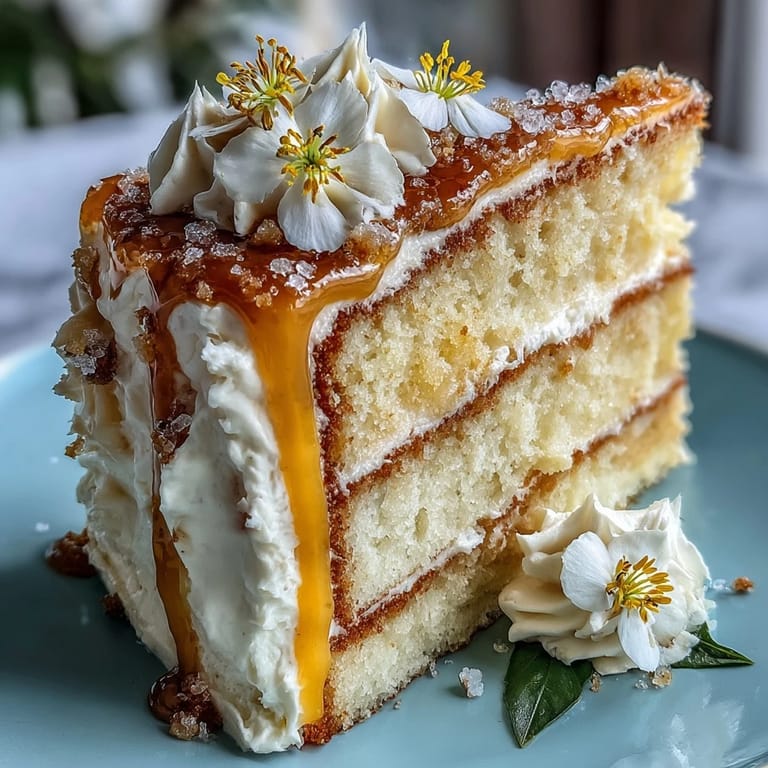
- Tuck edible flowers all over just before serving; each placement is a chance for a new burst of color—imperfection makes it prettier.
 Save
Save  Save
Save The time my family cut into this cake while sunlight streamed over the table, the sparkling yellow of the curd seemed to glow. For a moment, forks poised, the cake felt like a gift more than a dessert—special, fleeting, and full of joy.
Choosing and Storing Edible Flowers
Not all flowers are created equal when it comes to baking—I learned early on to always ask the grower, as not every petal is safe. Keep the flowers chilled in a slightly damp paper towel until ready to use so they stay perky and bright for your moment of cake glory.
Getting Ahead and Making Components in Advance
What I love about this recipe is its flexibility—bake the cake or make the curd the night before and your future self will thank you on assembly day. If stored well wrapped and chilled, both the curd and cake layers improve and become easier to handle.
Adapting for Different Occasions
The same lemony sponge can be transformed for birthdays or showers, just by changing the accents—think vibrant berries, citrus slices, or pastel candies for a playful spin.
- If flowers aren’t in season, candied lemon peel is a playful stand-in.
- Mini layer cakes make charming individual servings—use biscuit cutters for neat rounds.
- Assemble the cake just before serving for the freshest flavor and look.
 Save
Save 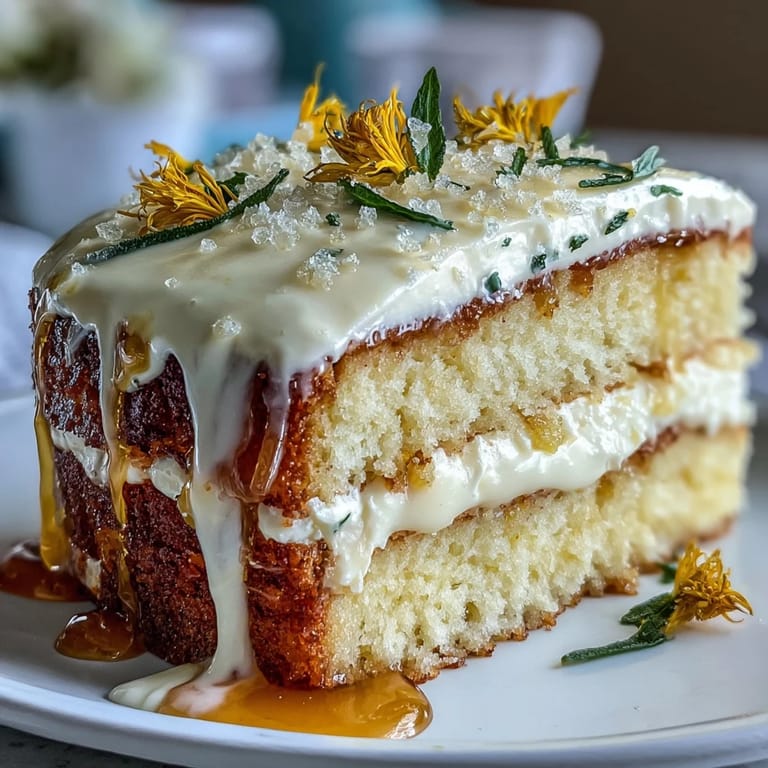 Save
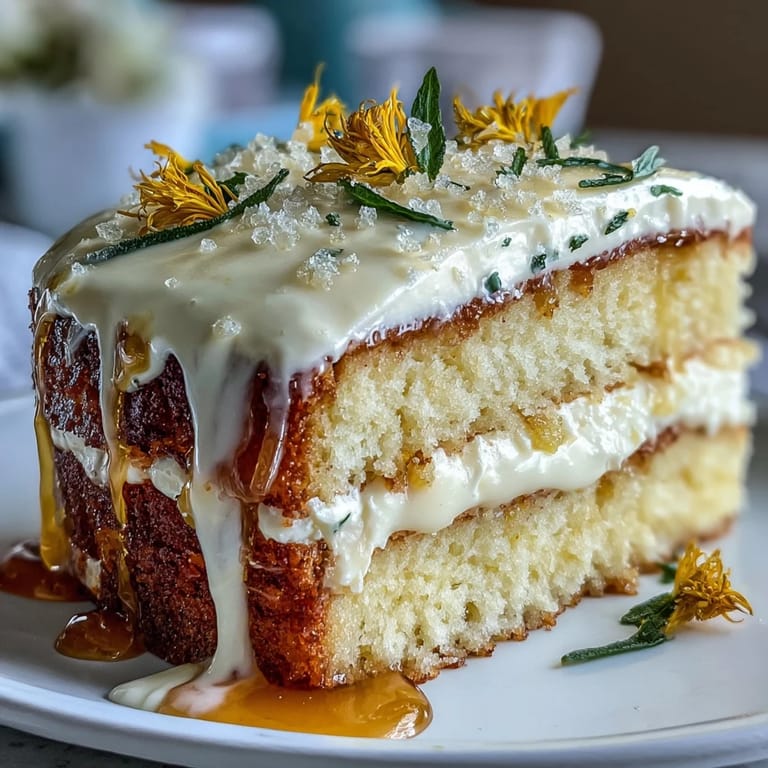
Save Baking this cake feels like creating a little celebration in every slice—may your kitchen fill with laughter, color, and just a bit of lemony mischief. Enjoy, and let the flowers fall wherever they may!
Questions & Answers
- → How do I prevent the lemon curd from curdling?
Whisk the eggs and sugar thoroughly before adding heat, then cook over medium-low while stirring constantly. Tempering helps: stir a little hot mixture into the egg mix before returning to the pan. Remove from heat as soon as it thickens and stir in butter off the heat, then strain and chill to stabilize texture.
- → How can I keep whipped cream stable for assembly?
Use very cold heavy cream and a chilled bowl, beat to stiff peaks, and add powdered sugar for structure. For a longer hold, soften 1 tsp gelatin in 2 tbsp cold water, dissolve gently, cool slightly and fold into the whipped cream once it begins to thicken.
- → Can components be made ahead and how should they be stored?
Bake the layers a day ahead, wrap tightly and refrigerate. Lemon curd keeps covered in the fridge for up to 5–7 days. Whipped cream is best fresh or stabilized for up to 24 hours. Store components separately and assemble shortly before serving for best texture.
- → Which edible flowers are best and how do I prepare them?
Choose food-grade flowers like pansies, violas, nasturtiums and rose petals. Buy from a trusted source, rinse gently, pat dry, and remove any stems or pistils. Add flowers just before serving to preserve freshness and color.
- → How do I avoid soggy cake layers when using lemon curd?
Chill the curd until thick before spreading and use a light layer (about 3–4 tbsp per layer) so moisture is controlled. Spread a thin barrier of whipped cream on each layer first to help seal crumbs and reduce direct moisture contact. Assemble and keep chilled until serving.
- → Any simple ingredient substitutions for dietary needs?
For dairy-free options, use plant-based butter and a full-fat non-dairy milk in the sponge and try a stabilized coconut cream for frosting. Note texture and flavor will differ; lemon curd can be adapted with a dairy-free butter alternative for richness.