 Save
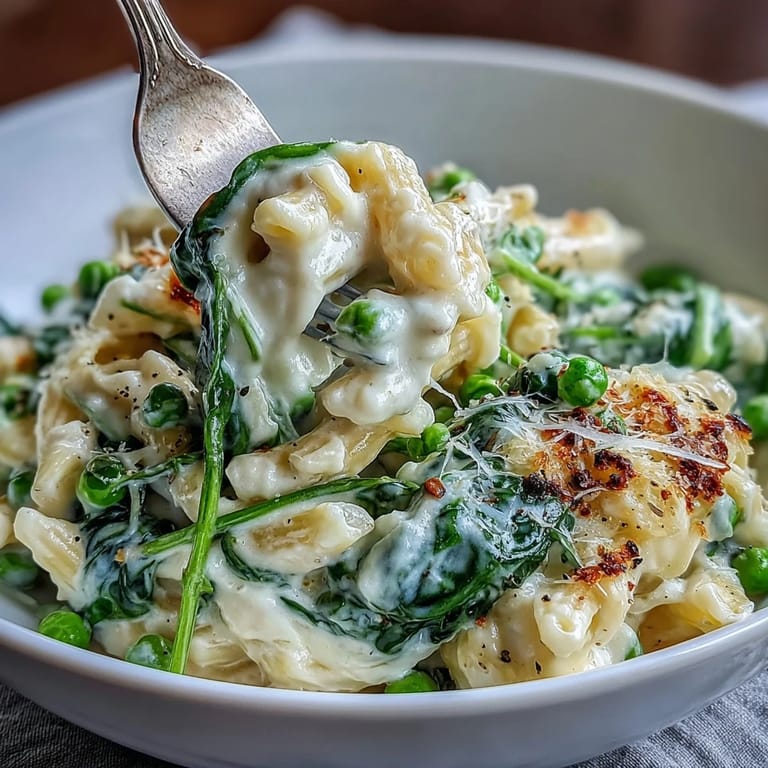
Save There& 39;s a sharp excitement to a kitchen filled with citrus and fresh greens, especially on a weeknight when hunger demands comfort in a hurry. As I tossed together this Lemon Ricotta Pasta for the first time, the steam mixed with the scent of garlic and lemon brightened even a dreary evening. What makes this dish unforgettable, though, is its gentle transformation—watching milk and ricotta swirl into silk around the pasta, I felt suddenly like a magician discovering a new trick. It& 39;s the kind of dish that quietly sneaks into your rotation, ready any time you crave something fresh yet soothing. And let& 39;s be honest—one pot meals always make me feel a bit rebellious for skipping extra dishes.
Last spring, I cooked a giant pot of this lemony pasta for a book club that barely touched their wine because we all kept going back for more. Someone asked if it came from a fancy restaurant and we laughed—my toddler had been “helping” me zest lemons and there were spinach leaves on the floor. But the table buzzed with stories, and for one hour the whole room smelled of garlic and citrus. Those nights remind you that even the smallest effort in the kitchen can turn into a gathering. If you& 39;re lucky, leftovers never make it to the fridge.
Ingredients
- Short pasta (penne, fusilli, or similar): Use a shape that catches the creamy sauce in every curve and edge—I’ve found rotini holds up especially well for reheating, too.
- Ricotta cheese: This is the backbone of the luxurious sauce—go for whole milk ricotta for the richest texture, and let it come to room temperature for easier stirring.
- Grated Parmesan cheese: Besides the nutty flavor, a good parmesan adds a lustrous finish to the sauce; freshly grated will always melt in smoother than the pre-shredded stuff.
- Whole milk: A splash loosens and unifies everything, so don’t skip it—it keeps the ricotta from getting grainy.
- Green peas (fresh or frozen): Use straight from the freezer if you’re short on time; they add bursts of sweetness and color.
- Fresh spinach: Toss it in at the end so it wilts but keeps its bright green vibrancy; you can sub in arugula or kale if you want a peppery or hearty twist.
- Garlic, minced: A quick sauté unlocks its sweetness without letting it brown, which can taste bitter.
- Lemon, zest and juice: Zest first, then juice—you& 39;ll get the highest notes from the skin and that juicy brightness from the fruit itself.
- Olive oil: A few tablespoons softened the garlic and lends depth; I once tried butter, but the oil keeps things light and lets the lemon really come through.
- Salt and black pepper: Taste and season generously just before serving for the brightest punch.
- Optional garnishes—extra lemon zest & fresh basil or parsley: These last sprinkles freshen up every bite and look like spring on a plate.
Tired of Takeout? 🥡
Get 10 meals you can make faster than delivery arrives. Seriously.
One email. No spam. Unsubscribe anytime.
Instructions
- Sauté the garlic:
- Heat olive oil in a roomy skillet or Dutch oven over medium heat and swirl in the garlic; let it sizzle just until fragrant—watch closely, so it stays pale and doesn& 39;t crisp up.
- Simmer pasta and peas:
- Tumble the dry pasta and peas into the pot, add a generous pinch of salt, and pour in enough water to cover; bring it to a lively boil and then simmer, stirring here and there, until the pasta is just tender and the water mostly absorbed.
- Wilt the spinach:
- Scatter in the spinach and stir until it gives up its volume and melts into the pasta, just a couple minutes.
- Make it creamy:
- Lower the heat and work in the ricotta, Parmesan, milk, lemon zest, and lemon juice; fold gently so the cheeses melt and create a glossy sauce that hugs every noodle.
- Season & serve:
- Give everything a good grind of pepper, adjust salt, and dish it up immediately—topping each plate with extra lemon zest and herbs if you& 39;re feeling fancy.
 Save
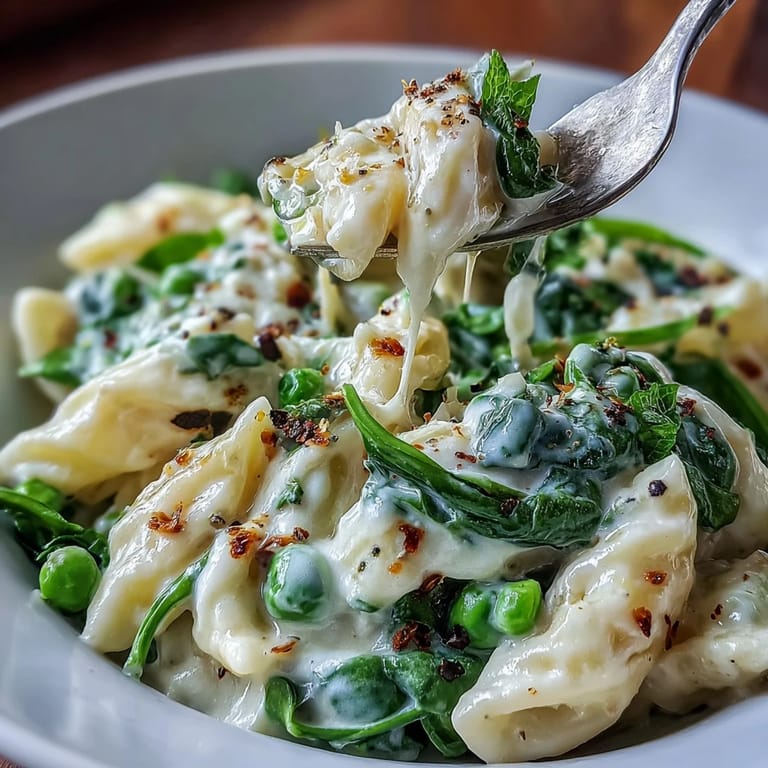
Save I first realized this pasta was more than just supper when someone paused with a forkful and sighed, “This tastes like late spring.” Suddenly the table seemed brighter and, honestly, that made the mess in the kitchen worth every dish.
Making It Work For You
Once I swapped spinach for arugula when I& 39;d run out, and the peppery bite was a hit—feel free to play with what& 39;s in the fridge. Peas can go in frozen, and the only thing that really matters is to not overcook the pasta—taste test a minute before the timer goes off. Don& 39;t stress about exact measurements since the sauce is forgiving, and add a glug of milk if it ever seems too thick.
Serving and Pairings
This pasta shines alongside a simple salad or a crusty piece of bread for wiping up every drop. Chilled white wine like Pinot Grigio or a squeeze of extra lemon can both elevate things with next to no effort. I’ve found even kids go back for seconds, even when they claim to hate spinach.
Troubleshooting & Leftover Tips
If the sauce thickens up as it sits, a splash of milk or pasta water brings it back to life. Leftovers are lovely cold, tossed with extra lemon or a bit of olive oil for lunch the next day. Watch the pasta—if it’s overcooked, it’ll keep absorbing liquid and get mushy, so aim for just shy of al dente at first.
- Don& 39;t rinse your pasta; it helps the sauce cling.
- Try smoked mozzarella for a twist if you& 39;re feeling adventurous.
- Keep extra herbs on hand—a handful at serving looks and tastes like sunshine.
 Save
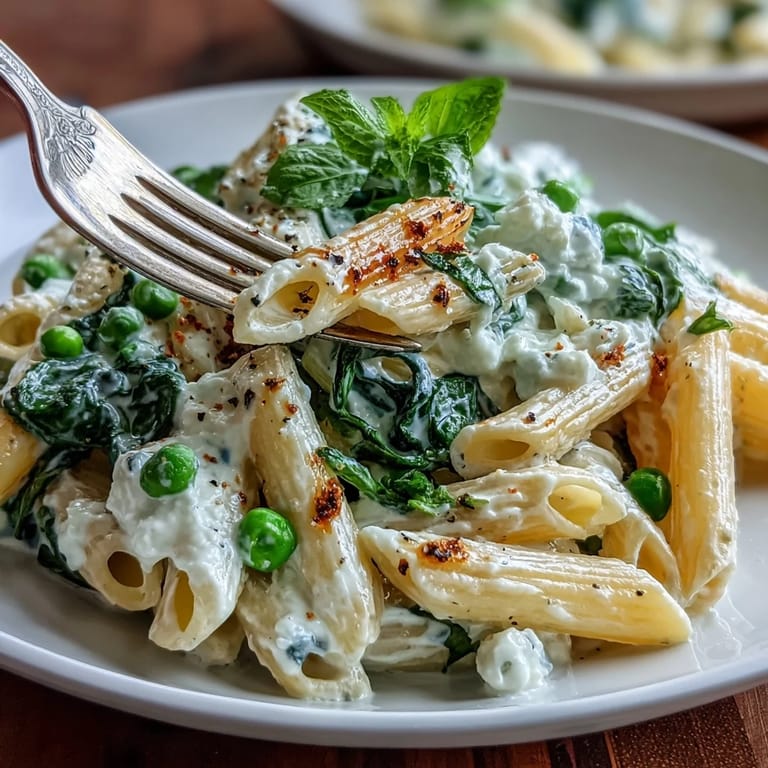
Save This vibrant bowl brings big flavor with minimal effort, and it always feels a little like eating sunshine—even on gray days. Hope it becomes a happy habit in your home too.
Questions & Answers
- → Can I use frozen peas instead of fresh?
Yes. Frozen peas can be added directly to the pot; they thaw and cook quickly while the pasta simmers. They help cool the liquid slightly, so stir and monitor cooking time to keep the pasta al dente.
- → How do I avoid a watery sauce?
Cook the pasta until most of the water is absorbed and remove from heat before adding the ricotta. Whisk ricotta with the milk first to loosen it, then fold in off heat so the sauce becomes creamy rather than runny.
- → What are good substitutes for spinach?
Baby arugula, chopped kale, or Swiss chard work well. Add tougher greens a bit earlier to allow wilting and adjust cooking time so they become tender without overcooking the pasta.
- → Can I make this dairy-free or vegan?
Yes. Use plant-based ricotta or blended silken tofu, dairy-free grated cheese or nutritional yeast, and a plant milk like oat or almond. Adjust seasoning and lemon to brighten the flavors.
- → How should I store and reheat leftovers?
Cool to room temperature, refrigerate in an airtight container for 3–4 days. Reheat gently in a skillet with a splash of milk or water over low heat, stirring until warmed and creamy.
- → Which pasta shapes work best?
Short shapes that hold sauce—penne, fusilli, farfalle, or rigatoni—work best. They trap bits of ricotta and peas for even bites and cook evenly in the one-pot method.