 Save
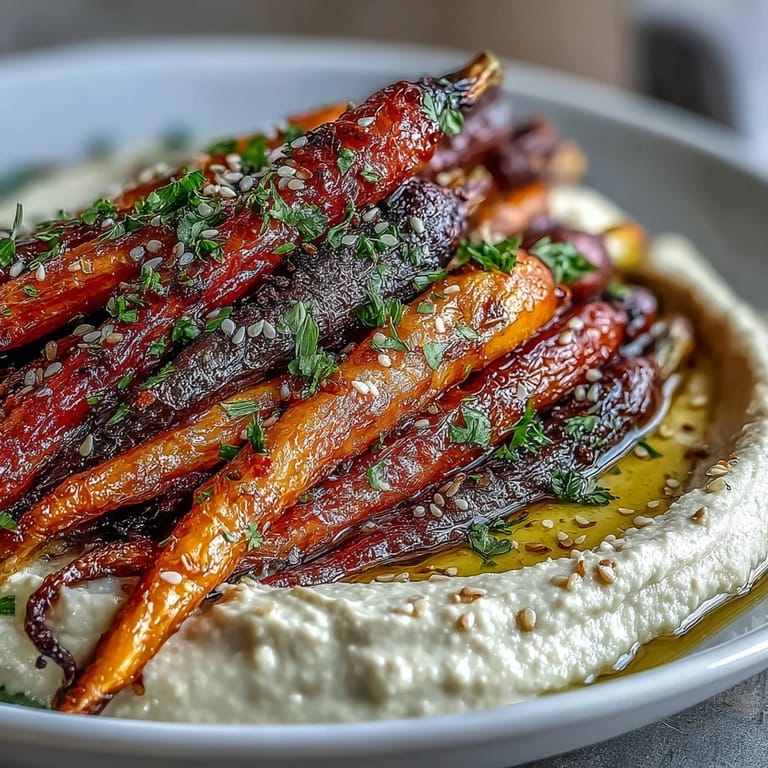
Save My neighbor knocked on my door one afternoon with a handful of rainbow carrots from her garden, their jewel tones so vivid I almost didn't want to cook them. She mentioned she'd been serving them roasted with homemade hummus at her dinner parties, and something about the way she described the caramelized edges and creamy dip made me want to try it immediately. That evening, my kitchen filled with the most unexpected sweetness as the carrots blistered in the oven, and I realized how a simple vegetable could taste nothing like what I'd known before.
I brought this to a potluck where everyone seemed to be fighting over store-bought dips, and watching people's faces light up when they tasted the warm carrots with creamy hummus felt like a small victory in my kitchen. One friend asked for the recipe three times before I finally texted it to her, and months later she told me she'd made it for her kids' school event. That's when I knew this wasn't just a nice appetizer—it was something that actually changed how people thought about vegetables.
Ingredients
- Rainbow carrots, 1 lb peeled and trimmed: The color is not just for show—purple, orange, and yellow carrots have subtly different flavor profiles, and together they create this perfect sweet complexity when roasted until the edges caramelize.
- Olive oil, 2 tbsp for carrots plus 2 tbsp extra-virgin for hummus: Don't skimp here; good olive oil makes the hummus silky and the carrots taste like they're dressed for a celebration.
- Sea salt and freshly ground black pepper: Kosher salt works too, but I've learned that freshly grinding pepper makes you actually notice its warmth in every bite.
- Ground cumin, 1/2 tsp plus 1/2 tsp more for hummus: This spice bridges both components and adds an earthy note that makes people ask what secret ingredient you used.
- Fresh parsley, 1 tbsp chopped: A green whisper at the end—not essential, but it makes the platter look alive and adds a tiny brightness that balances the richness.
- Chickpeas, 1 can drained and rinsed: Canned is perfectly fine and honestly saves you from the overnight soaking drama; just rinse them well until the water runs clear.
- Tahini, 1/4 cup: This is where the hummus gets its personality, so find tahini you actually like the taste of—some brands have a bitterness that takes over if you're not careful.
- Lemon juice, 2 tbsp freshly squeezed: Bottled lemon juice changes the hummus in ways you won't understand until you use fresh; it becomes brighter and somehow more alive.
- Garlic, 1 clove minced: One clove is the voice, not the shout—you want just enough to make people wonder what they're tasting.
- Cold water, 2-3 tbsp: Add it slowly while the food processor is running so you hit that perfect consistency between thick and creamy.
- Smoked paprika, 1/4 tsp for garnish: This is optional but transforms the visual and adds a whisper of smoke that ties everything together.
Tired of Takeout? 🥡
Get 10 meals you can make faster than delivery arrives. Seriously.
One email. No spam. Unsubscribe anytime.
Instructions
- Heat your oven and prepare:
- Set the oven to 425°F and line a baking sheet with parchment paper so nothing sticks and cleanup becomes almost pleasant. This temperature is hot enough to caramelize the carrots' natural sugars but not so hot that they burn before softening.
- Dress the carrots for roasting:
- Toss your rainbow carrots with olive oil, salt, pepper, and cumin, making sure each piece gets coated in that golden oil. Arrange them in a single layer so they touch the hot pan directly—crowding them means they steam instead of caramelize, which is a lesson I learned the hard way.
- Roast until edges blister:
- Put them in for 25 to 30 minutes, turning them halfway through so they brown evenly on both sides. You'll know they're done when a fork slides through easily and the tips turn slightly charred and crispy.
- Build the hummus while carrots cook:
- Add drained chickpeas, tahini, olive oil, fresh lemon juice, minced garlic, cumin, and salt to your food processor. Pulse until everything is combined, then let the machine run, drizzling in cold water a little at a time until the hummus becomes smooth and creamy.
- Taste and adjust seasoning:
- This moment matters—taste it and decide if it needs more salt, more lemon brightness, or more tahini richness. I usually find I want just a touch more lemon than I'd expect.
- Plate and serve:
- Transfer hummus to a serving bowl, drizzle the top with a little extra olive oil, and sprinkle with smoked paprika if you have it. Arrange the warm roasted carrots on a platter nearby, sprinkle with fresh parsley, and let people help themselves.
 Save
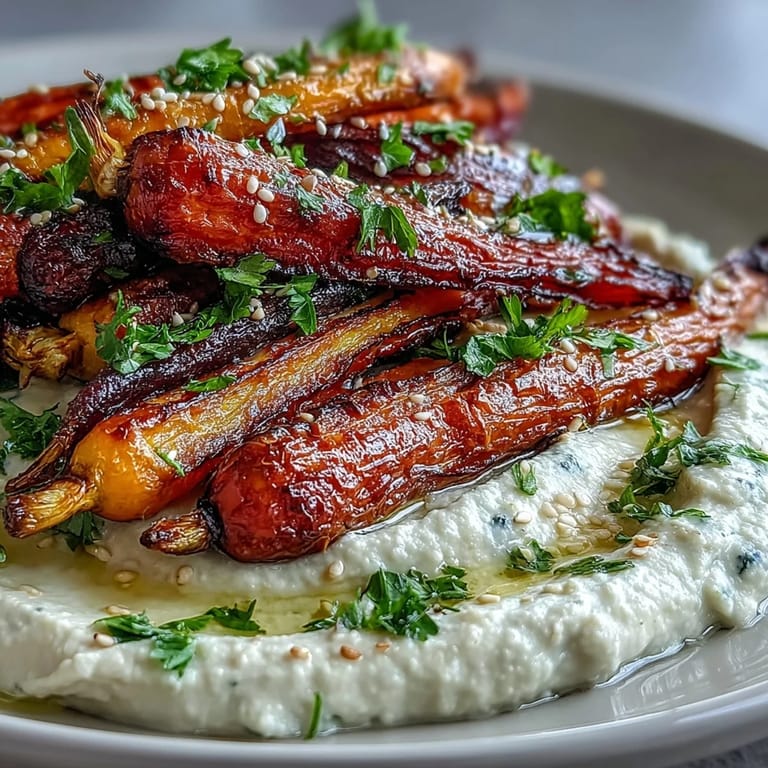
Save There's something almost meditative about watching these carrots transform in the oven, their colors deepening as they roast, filling your kitchen with this gentle sweetness that makes you slow down. When my daughter tasted this for the first time, she asked why carrots at restaurants never tasted like this, and I realized it's because most places are afraid to let them get messy and caramelized—they serve them looking perfect instead of tasting perfect.
The Magic of Simple Roasting
There's a moment, usually around minute 20 of roasting, when you open the oven and smell something that makes you understand why people talk about food with poetry. The carrots aren't doing anything fancy—heat and oil and time are doing the work, coaxing out sugars that were always there. This is the kind of cooking that teaches you that sometimes the best flavors come from restraint, from letting ingredients be themselves instead of covering them up.
Why Homemade Hummus Changes Everything
Making hummus from scratch feels like a small rebellion against the plastic containers at the grocery store because you suddenly understand why it costs money—good tahini, fresh lemon, and time in a food processor create something that tastes like actual food instead of an approximation. The first time I made it, I was shocked at how few ingredients it takes, and how much that cold water addition matters for getting the texture right. Once you taste it this way, you'll never quite be satisfied with the store version again.
Serving This Like You Mean It
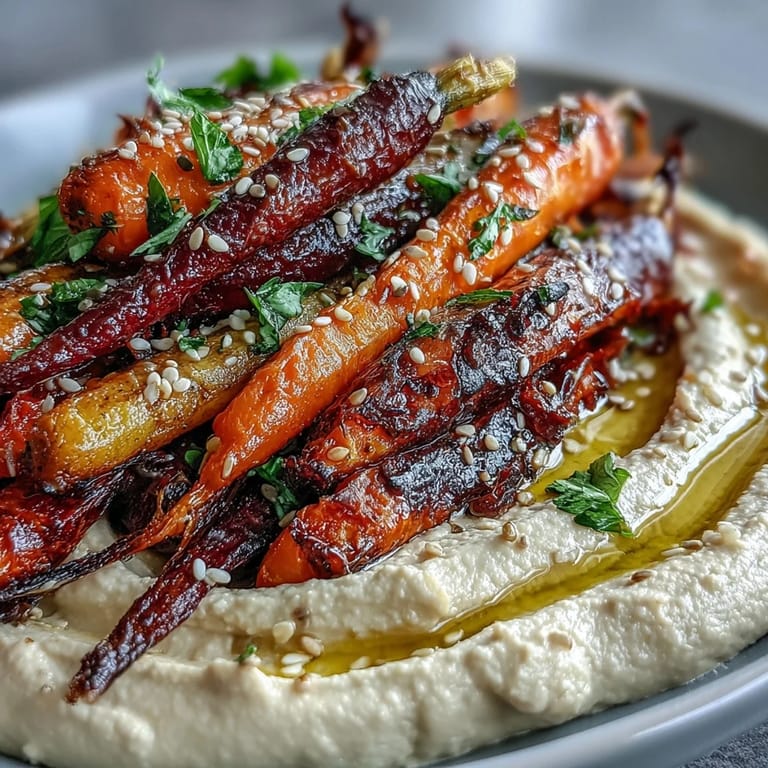
The beauty of this platter is that it feels abundant and colorful without requiring any fancy techniques or expensive ingredients. I've served it at casual dinners and at more thoughtful gatherings, and it works everywhere because it's visually stunning and genuinely delicious. People always assume something this pretty must be complicated, which is the best part of the secret.
- Try adding toasted sesame seeds or dukkah on top of the carrots for texture that surprises you with every bite.
- If you want heat, dust the carrots with a pinch of chili flakes before roasting so they get crispy and spiced.
- Serve extra pita or raw vegetables on the side so people can build their own bites and feel part of the experience.
 Save
Save This dish has become my go-to when I want to impress without stress, a reminder that sometimes the most memorable food is the simplest. Every time I make it, someone asks for the recipe, and I love that a vegetable platter can spark that kind of conversation.
Questions & Answers
- → What makes rainbow carrots special?
Rainbow carrots come in purple, orange, yellow, and white varieties, each offering slightly different flavor notes from sweet to earthy. They create a visually stunning presentation while providing the same nutritional benefits as traditional orange carrots.
- → Can I make the hummus ahead of time?
Absolutely. Homemade hummus actually develops better flavor after resting in the refrigerator for a few hours or overnight. Store it in an airtight container and bring to room temperature before serving for the creamiest texture.
- → How do I know when the carrots are done roasting?
The carrots are ready when they're tender when pierced with a fork and have developed lightly caramelized edges. This typically takes 25-30 minutes at 425°F. Turning them halfway through ensures even cooking and browning.
- → What can I serve with this platter?
Complement the roasted carrots and hummus with warm pita bread, fresh cucumber slices, bell pepper strips, or radishes. Olives, pickled vegetables, and a drizzle of good olive oil also make excellent additions to complete your Mediterranean spread.
- → Is this suitable for meal prep?
Yes, both components store beautifully. Keep roasted carrots and hummus in separate airtight containers in the refrigerator for up to 5 days. Reheat carrots gently in the oven or enjoy them cold—the flavors remain delicious either way.
- → Can I substitute regular carrots?
While rainbow carrots provide beautiful color variety, standard orange carrots work perfectly well. Just choose carrots that are similar in size so they roast evenly. Baby carrots also make a great quick alternative.