 Save
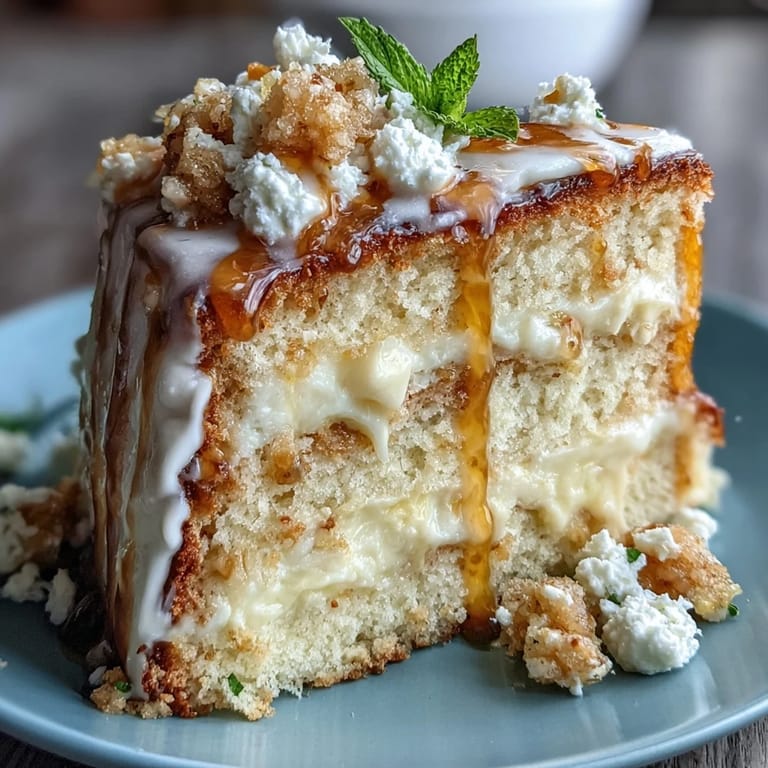
Save My neighbor knocked on the door one April morning with a box of lemons from her tree, saying she'd grown tired of making marmalade. I had a birthday party to cater that weekend, and somehow those bright yellow fruits whispered their destiny—a spring cake that tasted like sunshine and celebration. The first time I layered that tender vanilla crumb with homemade lemon curd, watching the tangy filling peek through the whipped cream frosting, I understood why she'd shown up at exactly the right moment.
I remember my hands shaking slightly as I sliced through those two layers, terrified the cake would crumble under the serrated knife. My daughter stood on a stool beside me, narrating every move like a sports commentator, and when that first lemon curd-filled slice landed on a plate, she declared it "the prettiest cake ever made." She wasn't wrong, and neither was she about how it tasted.
Ingredients
- All-purpose flour (2 ½ cups): The foundation of a tender crumb—make sure it's fresh and unsifted before measuring, as old flour can make cakes dense.
- Baking powder and baking soda (2 ½ tsp and ½ tsp): The dynamic duo that gives this cake its delicate rise without the heavy feel of overdone leavening.
- Salt (½ tsp): A whisper of salt amplifies the vanilla and lemon, making every bite taste more alive.
- Unsalted butter, softened (1 cup): Cold butter won't cream properly, so let it sit on the counter for an hour before you start—this step genuinely matters.
- Granulated sugar (2 cups): Standard white sugar creates that pale, fluffy mixture that signals proper creaming has happened.
- Large eggs, room temperature (4): Cold eggs resist incorporating into the batter, which leads to a dense cake—leave them out for 30 minutes.
- Vanilla extract (1 tbsp): Pure vanilla is worth the cost here; the cake is simple enough that mediocre vanilla will be noticeable.
- Whole milk, room temperature (1 cup): The warmth helps it blend smoothly into the batter, creating that tender texture.
- Lemon zest (1 zest): Fresh zest adds brightness to the cake itself, not just to the filling—use a microplane for the finest particles.
- Egg yolks (4): Save these from separating eggs earlier, or crack fresh ones for the curd; the richness of yolks is what makes curd silky.
- Fresh lemon juice (⅓ cup): Bottled juice tastes flat compared to freshly squeezed—juice lemons at room temperature to extract more liquid.
- Lemon zest (2 zests): Don't skimp here; the zest carries the flavor that makes people ask for the recipe.
- Unsalted butter, cubed (¼ cup): Cutting it into small cubes helps it melt evenly into the warm curd without creating greasy pockets.
- Heavy cream, chilled (2 cups): This frosting depends entirely on cold cream, so chill your bowl and beaters beforehand if your kitchen runs warm.
- Powdered sugar (½ cup): Measured and sifted to avoid lumpy frosting that won't whip properly.
- Vanilla extract (1 tsp): A gentle addition that shouldn't overwhelm the lemon—resist the urge to add more.
- Fresh berries and edible flowers (optional): These aren't decorative afterthoughts; they echo the cake's springtime spirit and add a fresh bite.
Tired of Takeout? 🥡
Get 10 meals you can make faster than delivery arrives. Seriously.
One email. No spam. Unsubscribe anytime.
Instructions
- Set your stage:
- Preheat the oven to 350°F and line a 9x13-inch sheet pan with parchment paper, letting it creep up the sides slightly so the edges bake evenly. This step prevents the cake from browning too fast at the edges while the center stays tender.
- Dry ingredients unite:
- In a medium bowl, whisk flour, baking powder, baking soda, and salt together—this combines the leavening evenly and aerates the flour slightly. Don't skip whisking; a fork just won't do the job.
- Cream butter and sugar to clouds:
- Beat softened butter and sugar together with an electric mixer until the mixture turns pale and fluffy, about 3-4 minutes of steady beating. You'll notice the texture change dramatically—this is the magic that creates a tender cake.
- Fold in eggs one by one:
- Add each egg individually, beating well after each addition so it fully incorporates; rushing this step creates a separated, greasy batter. The mixture should look smooth and creamy after the final egg.
- Add vanilla and lemon essence:
- Mix in vanilla extract and fresh lemon zest, letting the mixer run for another 30 seconds to distribute the zest evenly throughout. You'll smell that bright citrus wake up the batter.
- Alternate wet and dry gently:
- Add the dry mixture and milk in three additions—dry, milk, dry, milk, dry—beginning and ending with flour to protect the batter's structure. Mix on low speed, stopping as soon as you see no white streaks; overmixing develops gluten and toughens the cake.
- Bake until golden:
- Pour batter into the prepared pan and smooth the top gently with an offset spatula, then bake for 28-32 minutes until a toothpick inserted in the center comes out with just a few crumbs clinging to it. The cake will feel set but still slightly springy to touch.
- Cool with patience:
- Let the cake cool completely in the pan on a wire rack—this usually takes about 45 minutes to an hour. Rushing this invites a crumbly mess when you try to layer it.
- Make the lemon curd magic:
- While the cake cools, whisk egg yolks, sugar, lemon juice, and zest in a small saucepan and cook over medium-low heat, stirring constantly, until the mixture thickens enough to coat the back of a spoon (about 5-7 minutes). Remove from heat and whisk in cubed butter until the curd turns silky and smooth, then transfer to a bowl and press plastic wrap directly onto the surface to prevent a skin from forming.
- Whip the cream frosting:
- In a chilled bowl with chilled beaters, whip cold heavy cream, powdered sugar, and vanilla until stiff peaks form—this takes about 2-3 minutes. Stop as soon as you see peaks stand up; one extra minute turns it into butter.
- Layer with care:
- Once the cake is completely cool, use a serrated knife to carefully slice horizontally through the middle to create two layers. Lift off the top layer and spread the chilled lemon curd evenly across the bottom layer in a thin, even coat.
- Frost and decorate:
- Replace the top layer and spread the whipped cream frosting evenly across the entire cake, creating gentle swirls if you'd like. Scatter fresh berries, edible flowers, or curls of lemon zest across the top.
- Final chill:
- Refrigerate the assembled cake for at least 1 hour before slicing—this helps the layers set and makes serving clean and beautiful. This waiting period also lets the flavors meld in a way that tastes more polished.
 Save
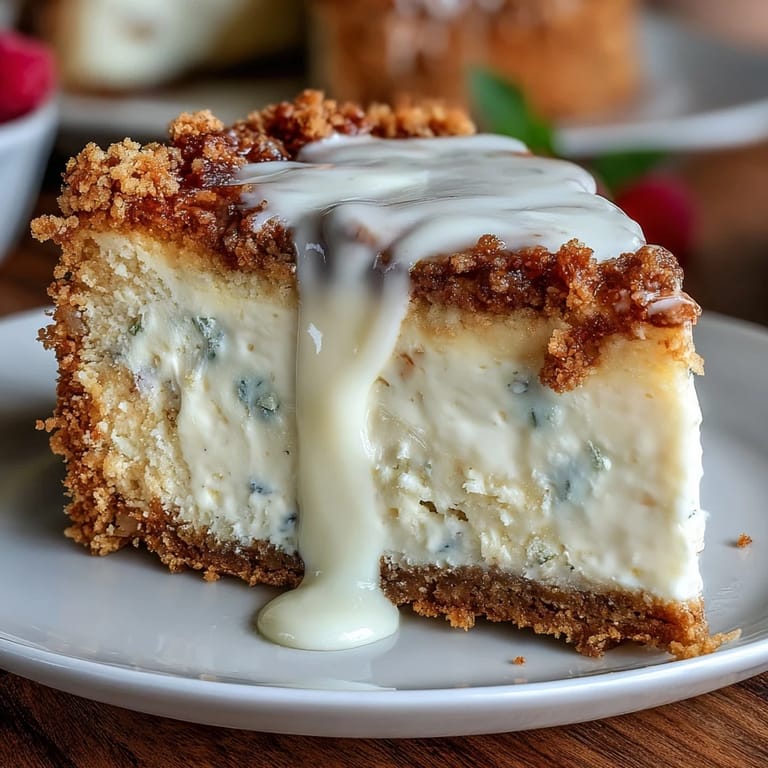
Save My mother came to pick up that birthday cake early on a Saturday morning, and when she opened the box, she just smiled and said nothing for a long moment. Later, she texted me a photo of it on the dessert table surrounded by empty plates, her friends gathered around asking for the recipe. That cake wasn't just dessert—it was a small, edible way of saying something good was happening in spring.
The Secret to a Tender Crumb
This cake's delicate texture comes from the interplay between the creaming method and the careful alternation of wet and dry ingredients. When you cream butter and sugar, you're trapping tiny air bubbles that become the cake's structure, and those bubbles survive baking beautifully if you don't overmix once the flour comes in. The milk acts as a tenderizer, keeping the cake moist without making it heavy—each sip of liquid carries flour particles apart so they don't clump together into a tough network.
Why Homemade Lemon Curd Changes Everything
Store-bought lemon curd tastes safe and pleasant, but homemade curd tastes alive—the fresh lemon juice and zest punch through with a brightness that bottled versions struggle to capture. Making it from scratch also takes less time than people expect, and once you taste the difference, you'll understand why your neighbor kept squeezing those lemons. The egg yolks thicken it naturally into something luxurious and velvety, a filling that tastes handmade in the very best way.
Room Temperature Ingredients Matter More Than You'd Think
Every ingredient in this recipe benefits from time on the counter, and understanding why prevents mysterious dense or separated batters. Cold butter won't cream into a pale foam, cold eggs won't emulsify smoothly, and cold milk won't blend as evenly into warm batter. Think of room temperature as a courtesy you extend to your ingredients, creating ideal conditions for them to do their job without resistance or separation.
- Set eggs and milk out while you gather other ingredients—30 minutes on the counter makes a genuine difference.
- If you forget and realize mid-recipe, place cold eggs in a bowl of warm water for 5 minutes as a quick fix.
- Cold butter can be softened in a microwave in 10-second bursts, watching carefully so it doesn't melt.
 Save
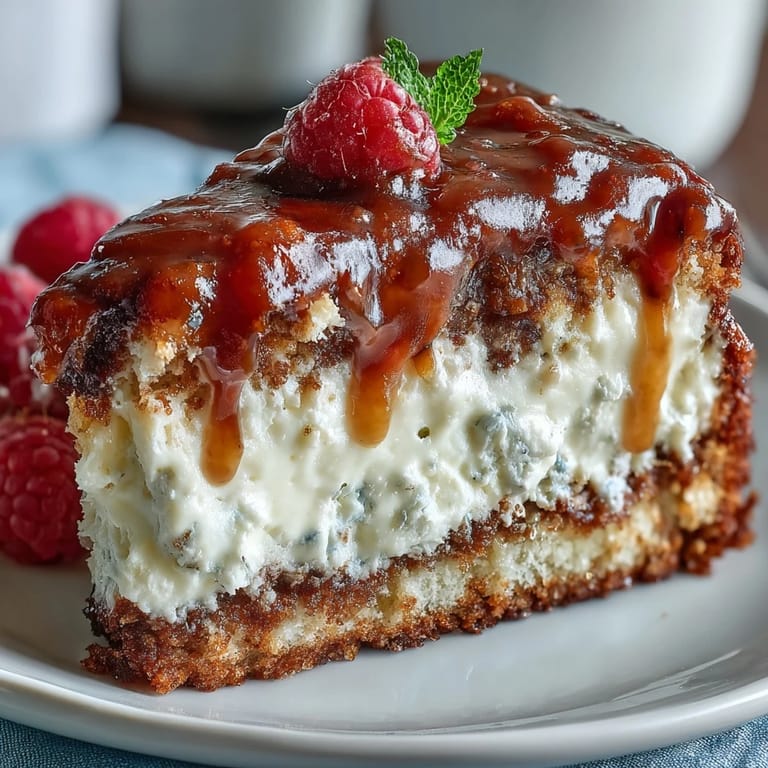
Save This is the kind of cake that becomes a tradition without trying to be one, a springtime dessert that tastes like celebration baked into a sheet pan. Make it once and people remember it; make it twice and it becomes yours.
Questions & Answers
- → What is the best way to achieve a moist cake crumb?
Ensure the butter and eggs are at room temperature before mixing and avoid overmixing the batter to keep the crumb tender and moist.
- → How can I make the lemon curd filling smooth?
Constantly stir the egg yolk and lemon mixture over medium-low heat until it thickens, then whisk in butter off the heat until fully blended.
- → What tip helps with slicing the cake cleanly?
Use a serrated knife and chill the assembled cake well before slicing for neat, even pieces.
- → Can I prepare components ahead of time?
Yes, both the lemon curd and whipped cream frosting can be made in advance and refrigerated until assembly.
- → What decorations work well for this cake?
Fresh berries like strawberries, raspberries, blueberries, edible flowers, or lemon zest curls add seasonal beauty and freshness.