 Save
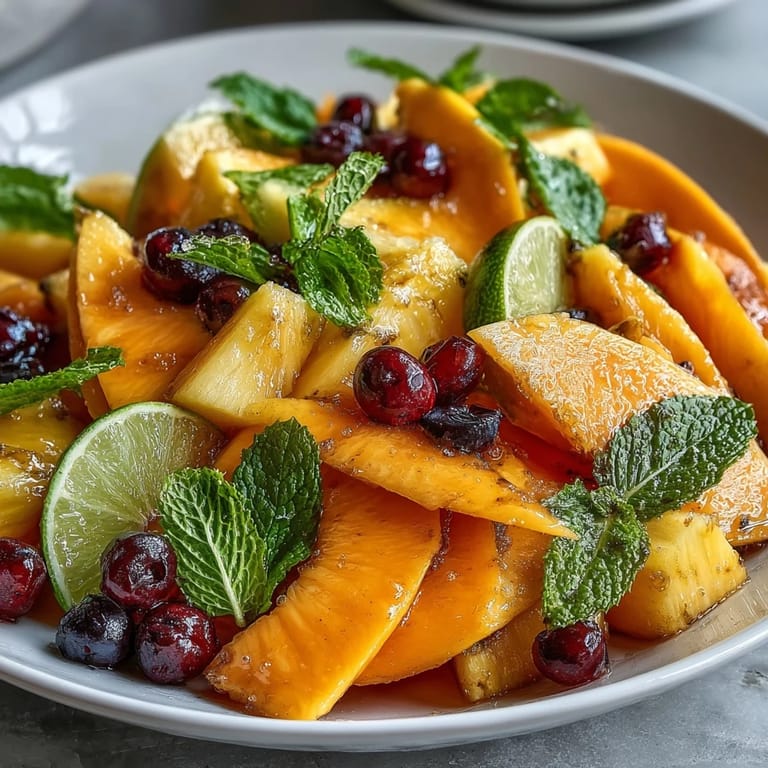
Save Last summer, I was tasked with bringing something to a backyard gathering, and I'll admit I panicked until I spotted a pile of mangoes at the farmer's market that smelled like sunshine. That's when it clicked—why overthink it when nature had already done all the hard work? I came home, grabbed a knife, and within thirty minutes had transformed those golden fruits into something so stunning that guests kept asking if I'd ordered it from a caterer. The beauty of this display is that it requires zero cooking skills and maximum visual impact, making it the perfect move when you want to impress without stress.
I remember my friend Sarah's face when she walked in and saw the platter taking up half the dining table—her eyes went wide in that way that told me this wasn't just food, it was a moment. People gravitated toward it like it was the centerpiece of the entire gathering, and suddenly everyone was arranging little bites on their plates like they were creating art. That's when I realized this wasn't about the recipe at all; it was about permission to celebrate abundance and color and the simple joy of fresh, ripe fruit.
Ingredients
- Ripe mangoes (2): Choose ones that yield slightly to pressure and smell fragrant at the stem—this is non-negotiable for sweetness that justifies their starring role.
- Large pineapple (1): Look for golden color and a sweet aroma, then don't be shy about coring it thoroughly because every bitter bit will affect the eating experience.
- Kiwis (2): Their bright green interior and subtle tartness provide essential balance against the heavier sweetness of mango and pineapple.
- Papaya (1): This creamy fruit adds textural variety, but make sure it's ripe or it becomes grainy and disappointing.
- Dragon fruit (1): Honestly, this one's mostly for the shock value of those hot-pink spikes, but the mild, slightly sweet interior works beautifully in the background.
- Seedless red grapes (1 cup): They're like little flavor pearls that catch the light and offer bursts of pure sweetness between the bigger fruit slices.
- Fresh strawberries (1 cup): Halving them creates visual interest and their tartness keeps everything from becoming cloying.
- Blueberries (1 cup): These tiny gems provide color contrast and an earthy note that ties the sweeter fruits together.
- Fresh mint leaves (1/4 cup): Mint isn't decoration—it's essential aromatics that elevate every single bite and signal freshness.
- Lime wedges: A squeeze of lime over fruit seems simple until you taste it and realize it unlocks flavors you didn't know were there.
- Vanilla Greek yogurt (1 cup, optional): This creamy counterpoint transforms the display from a fruit plate into something closer to a composed dessert experience.
- Honey or agave syrup (1 tablespoon): Just enough to hint at sweetness in the yogurt without overwhelming the natural fruit flavors.
Tired of Takeout? 🥡
Get 10 meals you can make faster than delivery arrives. Seriously.
One email. No spam. Unsubscribe anytime.
Instructions
- Prep your workspace and fruits:
- Clear a large cutting board and gather all your fruits—this ritual of assessment helps you understand what you're working with and prevents the scramble halfway through. Wash everything thoroughly because you're eating the skin's close cousins and you want that fruit to taste clean and bright.
- Slice and dice with intention:
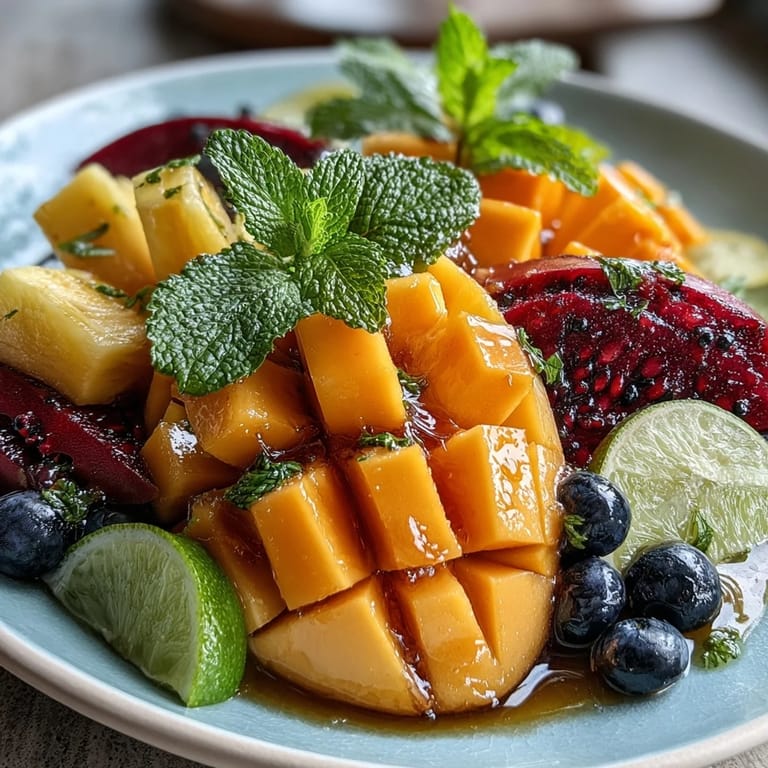
- Cut the mangoes by making long slices parallel to the flat pit, then score the flesh in a crosshatch pattern and scoop out those golden cubes—it's almost meditative. For the pineapple, stand it upright and slice downward in strips to remove the spiky skin, then cut lengthwise into quarters and remove the tough core, creating spears that look intentional.
- Arrange from anchor fruits outward:
- Place your largest pieces first—the mango slices and pineapple spears—creating a visual foundation in the center or at the base of your platter. Think of it like you're painting, not just serving; alternate warm yellows and oranges with hot pinks and deep purples, letting colors speak to each other across the arrangement.
- Layer with smaller fruits as your accents:
- Tuck the kiwi slices where they'll create bright green moments, scatter grapes into gaps like you're filling in shadows, and dot strawberry halves and blueberries throughout to catch light and add dimension. This isn't random—you're creating visual rhythm that makes people want to photograph it before they eat it.
- Crown with mint and lime:
- Tear mint leaves gently and scatter them across the arrangement not in neat lines but as if they've naturally landed there. Wedge lime pieces around the platter's edges where they'll catch attention and remind people that a quick squeeze will transform each bite.
- Make the optional yogurt situation:
- Whisk together the yogurt, honey, and lime zest in a small bowl, tasting as you go because yogurt brands vary wildly in how sweet they already are. This isn't a heavy sauce—it's a creamy, tangy whisper of accompaniment that guests can dip into or ignore entirely depending on mood.
- Chill before the gathering:
- Cover loosely and refrigerate until guests arrive, which keeps everything cold and allows flavors to meld slightly. The moment fruit hits a warm room, it starts weeping its juices, so timing matters for both appearance and taste.
 Save
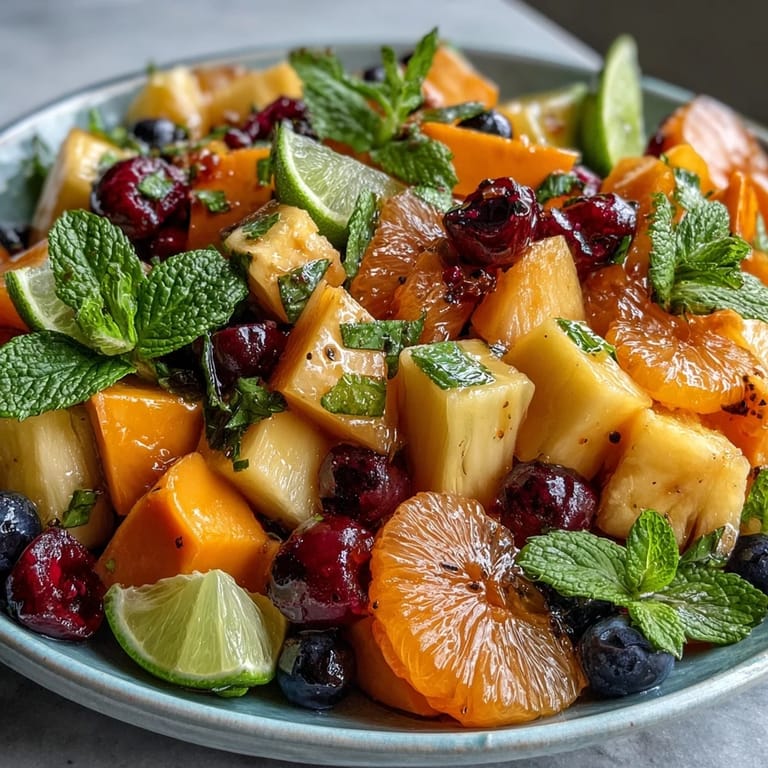
Save I've learned that fruit displays have a special way of bringing people together because there's nothing intimidating about them—everyone feels comfortable reaching in, building their own combination, discovering flavor pairings they never expected. It's food that celebrates abundance without pretension, and somehow, in the most simple way, that feels like love.
Choosing Fruit That Actually Tastes Good
The entire success of this display hinges on fruit ripeness, which means you need to be that person at the market who squeezes everything gently and smells the stems. Mangoes should yield to pressure without feeling mushy, pineapples should be fragrant and slightly soft at the base, and papayas should feel like giving a gentle hug—firm enough to hold their shape but not so hard that they taste grassy. If you're shopping more than a day or two ahead, choose slightly underripe fruit and let it rest at room temperature, then refrigerate once it hits peak ripeness; this prevents the mealy texture that comes from storage.
The Art of Arrangement (and Why It Matters)
Here's what I discovered after a few attempts: people eat with their eyes first, and a thoughtful arrangement makes fruit taste better because psychology is real. Start with your largest, most colorful pieces and work smaller, thinking about how warm and cool tones balance each other—place golden mangoes near deep reds, hot pink dragon fruit near pale kiwis. The physicality of this matters too; use a large platter or tiered stand so fruits don't crowd each other, and don't be afraid of negative space—empty areas make the fruit feel luxurious rather than cluttered.
Timing, Storage, and Serving Wisdom
Fresh fruit waits for no one, which means your platter has a window of about two hours before it starts looking less impressive and more drained. Prepare everything in advance—peel, pit, slice—and store components in separate containers in the coldest part of your fridge, then assemble just before guests arrive for maximum visual impact and crispness. If you're hosting an extended gathering, keep the platter covered loosely with plastic wrap when not actively serving, and don't stress about slight oxidation; a squeeze of lime juice actually prevents browning and adds a bright note that enhances every fruit's natural flavor.
- Cut pineapple cores lengthwise and score in a crosshatch to make scooping effortless and beautiful.
- Dragon fruit's appearance overshadows its mild flavor, so place it where it looks dramatic but pair it next to something sweeter.
- The lime wedges aren't optional—they're essential, so squeeze generously and let citrus be your secret weapon for flavor depth.
 Save
Save There's something quietly powerful about setting down a platter of ripe, beautiful fruit and watching people's shoulders relax, knowing they've stumbled into something genuinely nourishing and unexpectedly festive. This is the kind of recipe that works for every season and every occasion precisely because it asks nothing from you except presence and good judgment.
Questions & Answers
- → How should I prepare the mango and pineapple?
Peel, pit, and slice the mangoes, and peel, core, and cut the pineapple into spears or chunks for easy arrangement and serving.
- → Can I substitute any fruits in this display?
Yes, feel free to swap in seasonal fruits like passion fruit, star fruit, or melon to suit your taste and availability.
- → What is a good garnish for added flair?
Fresh mint leaves, lime wedges, edible flowers, or toasted coconut flakes add color, aroma, and texture to the display.
- → How can I make the dipping sauce vegan?
Use coconut yogurt instead of vanilla Greek yogurt and substitute honey with agave syrup for a vegan-friendly option.
- → How do I keep the fruit display fresh until serving?
Prepare and arrange the fruits shortly before serving and keep the display chilled to maintain freshness and visual appeal.
- → What tools are recommended for preparing this display?
A sharp chef's knife, paring knife, cutting board, a large platter or tiered stand, small bowl for sauce, and serving tongs are helpful.