 Save
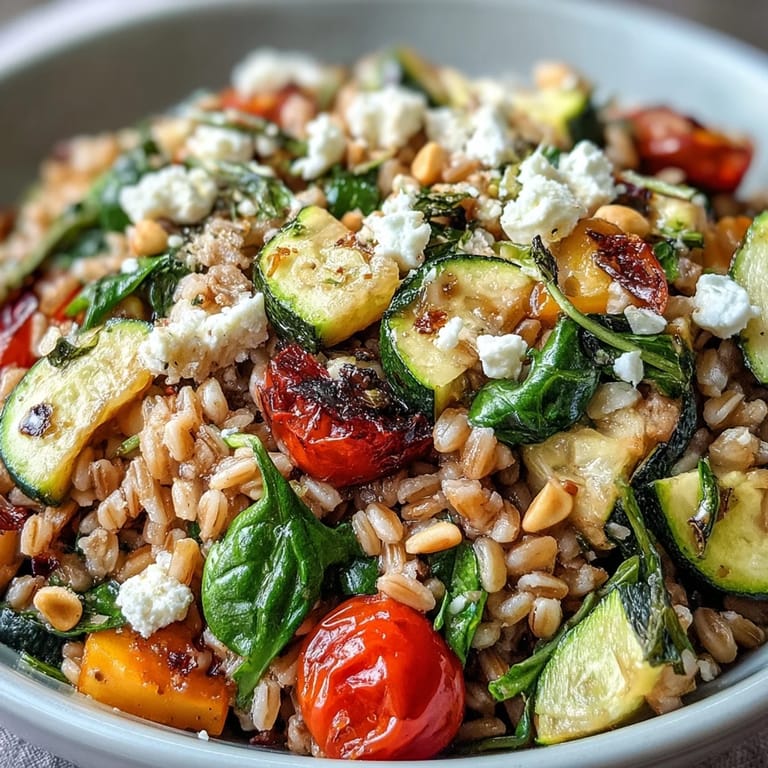
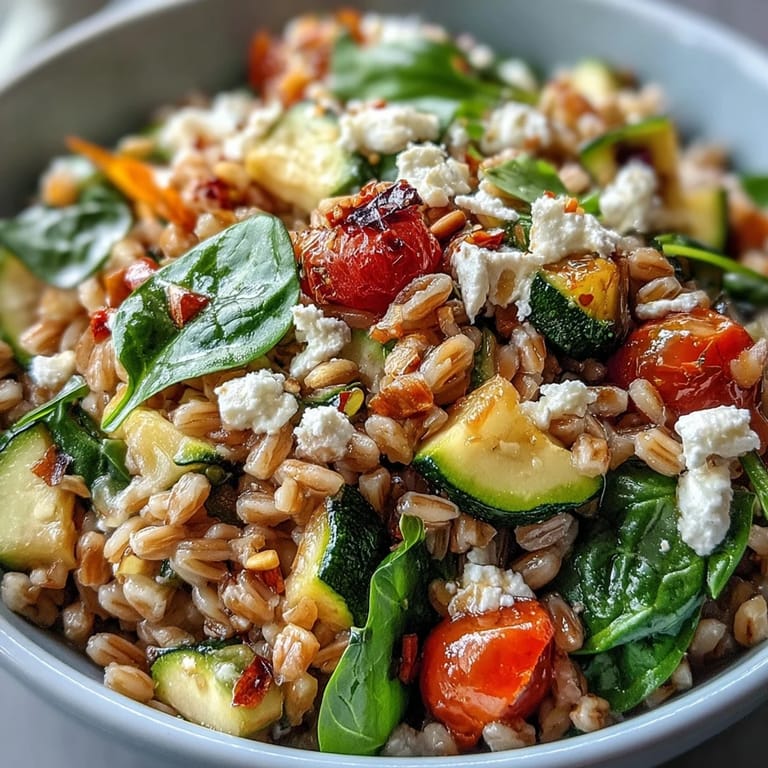
Save My neighbor brought over a bowl of this farro pasta one autumn evening, and I was struck by how the nutty grain seemed to catch the golden hour light filtering through my kitchen window. She'd made it on a whim with whatever vegetables she had lingering in her crisper drawer, and somehow that casualness made it feel more honest than any carefully planned dish. The way the olive oil glistened over those jewel-toned peppers and tomatoes made me realize that simple Mediterranean food doesn't need fanfare to be memorable. I've been making versions of it ever since, often tweaking it based on what's in season or what's been sitting on my counter a little too long.
I made this for a small dinner party once, nervous because one guest had just become vegetarian and I wanted to prove it wasn't a sacrifice. She came back for seconds without prompting, and we spent the rest of the meal talking about textures and how much better food tastes when you're genuinely interested in what's on your plate. That's when I understood that this dish works because it respects each component—nothing overshadows anything else.
Ingredients
- Farro pasta (250 g): Farro has a wonderfully chewy texture and nutty flavor that feels more interesting than regular wheat pasta, plus it holds up beautifully when tossed with vegetables and dressing without getting mushy.
- Zucchini (1 medium): Diced zucchini softens just enough to be tender while keeping its shape, contributing a subtle sweetness that balances the acidity of the tomatoes and lemon.
- Red and yellow bell peppers (1 of each): These bring color and a gentle sweetness that gets slightly caramelized at the edges when sautéed, making the whole bowl more visually appealing and flavorful.
- Cherry tomatoes (150 g): Halving them allows them to release their juice into the pan, creating a light sauce that clings to the pasta without needing extra liquid.
- Baby spinach (100 g): Added at the very end, the spinach wilts just enough to soften while retaining its nutrients and adding a gentle earthiness to the bowl.
- Red onion (1 small): Finely sliced red onion brings a crisp bite and beautiful color that stays vibrant even after cooking, cutting through the richness of the olive oil.
- Garlic (2 cloves): Minced garlic infuses the entire skillet with aromatic warmth that builds as you sauté the vegetables, creating a flavor foundation that ties everything together.
- Extra virgin olive oil (60 ml): Good quality olive oil is non-negotiable here—it becomes the dressing, so choose one you actually enjoy tasting on its own.
- Lemon juice (2 tbsp): Fresh squeezed lemon juice is crucial; it brightens the entire dish and prevents it from feeling heavy or one-dimensional.
- Dried oregano (1 tsp): This Mediterranean staple adds herbaceous depth without being overwhelming, a whisper rather than a shout.
- Sea salt and black pepper: Season to taste as you go rather than all at once—the vegetables release their own liquid as they cook, which changes how much salt the dish actually needs.
- Feta cheese (60 g): Crumbled feta adds a salty, creamy element that contrasts beautifully with the warm vegetables, though you can absolutely skip it for a vegan version.
- Fresh parsley and toasted pine nuts: These are optional garnishes, but toasted pine nuts add a textural crunch that makes the dish feel a bit more special without requiring extra effort.
Tired of Takeout? 🥡
Get 10 meals you can make faster than delivery arrives. Seriously.
One email. No spam. Unsubscribe anytime.
Instructions
- Start the farro pasta:
- Bring a large pot of salted water to a boil and cook the farro pasta according to package directions until al dente, which should take around 12-15 minutes depending on your brand. You want it tender but with just a slight resistance when you bite it, not soft or mushy.
- Build the flavor base:
- While your pasta cooks, warm 2 tablespoons of olive oil in a large skillet over medium heat and add your finely sliced red onion and minced garlic. Listen for that immediate sizzle and fragrant hiss—that's when you know the pan is ready—and let them cook for about 2 minutes until they become soft and smell absolutely wonderful.
- Sauté the main vegetables:
- Add your diced zucchini, red pepper, and yellow pepper to the skillet, stirring occasionally as they cook for 6-8 minutes until they're tender but still hold their shape and color. You're looking for vegetables that have softened slightly but still have a little resistance when you bite into them, not a mushy pile.
- Add the tomatoes and spinach:
- Toss in your halved cherry tomatoes and let them cook for just a minute or two so they warm through and start to release their juices. Then add the baby spinach and stir gently for another minute until it wilts down into the pan, losing its rawness but keeping its nutritional integrity.
- Make the dressing:
- While the vegetables finish cooking, whisk together your remaining olive oil, fresh lemon juice, dried oregano, sea salt, and freshly ground black pepper in a small bowl. Taste it straight from the spoon—it should taste bright and alive, with the lemon cutting through the richness of the oil.
- Bring it all together:
- Drain your cooked farro pasta and transfer it to a large bowl, then add all your sautéed vegetables and pour the dressing over everything. Toss gently but thoroughly, making sure every strand of pasta gets coated and the vegetables are evenly distributed throughout.
- Plate and finish:
- Divide the warm pasta bowl among your serving dishes and top each portion with crumbled feta cheese, fresh chopped parsley, and toasted pine nuts if you're using them. You can serve it warm straight away or let it cool to room temperature, which actually allows the flavors to meld even more beautifully.
 Save
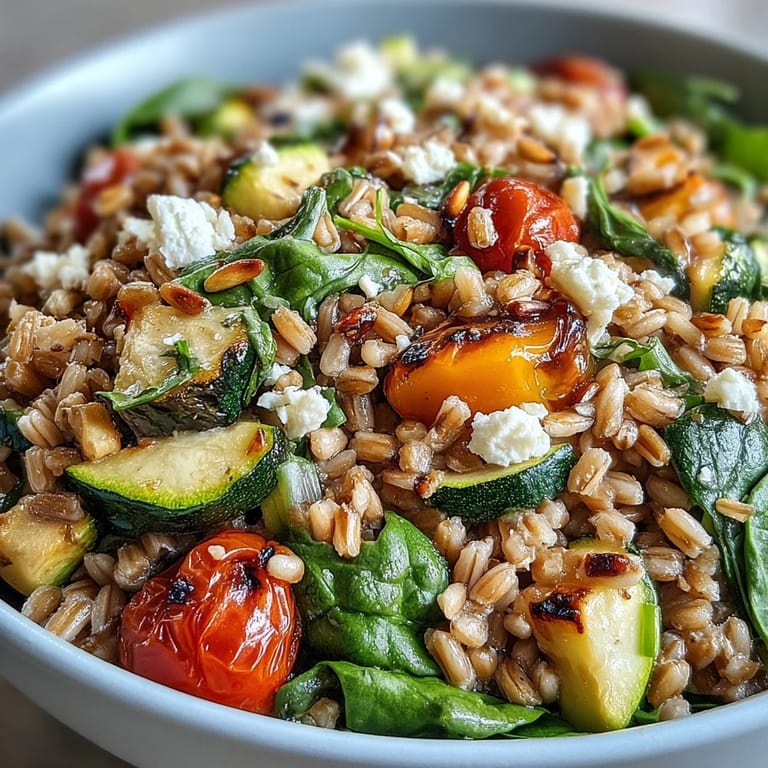
Save There's a moment when you toss everything together in that large bowl where the warm farro and vegetables begin releasing steam, and the smell of garlic and oregano mixed with lemon creates something that feels almost luxurious despite its simplicity. That's when I know I've made the right choice, before anyone's even taken a bite.
The Magic of Timing
The real secret to this dish is respecting the order of operations and not rushing it. Cook your pasta and vegetables separately so each develops its own character, then bring them together at the end when the heat from both components helps the dressing meld into something cohesive. It's the difference between throwing ingredients together and actually cooking something with intention.
Temperature and Storage
This dish is genuinely versatile in how you serve it—warm right out of the skillet, at room temperature after cooling for a while, or even chilled the next day as a proper salad. If you're storing leftovers, keep the dressing and toppings separate and add them when you're ready to eat, which prevents the feta from getting soggy and keeps the pasta from absorbing too much moisture overnight.
Ways to Adapt This Recipe
Once you understand the basic structure, this bowl becomes a foundation for endless variations based on what you have on hand, what's in season, or what sounds good that day. The key is maintaining the balance between a grain, colorful vegetables, fresh herbs, good olive oil, and some finishing touch that adds interest. Consider these flexible additions:
- Add cooked chickpeas or white beans for extra protein and fiber, or stir in some grilled chicken if you eat meat.
- Swap the farro for whole wheat pasta, quinoa, or even cooked wild rice depending on your preferences and dietary needs.
- Use whatever vegetables you have—broccoli, asparagus, eggplant, or artichoke hearts all work beautifully in this framework.
 Save
Save This is the kind of recipe that quietly becomes a go-to because it's reliable, flexible, and genuinely nourishing without ever feeling like a compromise. Once you've made it a few times, it becomes the sort of thing you can assemble with your eyes closed and still have something wonderful on your table.
Questions & Answers
- → Can I make this dish vegan?
Yes, simply omit the feta cheese or replace it with a plant-based alternative. The dish remains delicious and satisfying without dairy.
- → What can I substitute for farro pasta?
You can use whole farro, whole wheat pasta, quinoa, or other hearty grains. Adjust cooking times according to package instructions.
- → Can I add protein to this bowl?
Absolutely. Cooked chickpeas, grilled chicken, or white beans make excellent protein additions while maintaining the Mediterranean profile.
- → How long does this keep in the refrigerator?
The bowl stores well for 3-4 days in an airtight container. It tastes delicious cold as a salad or gently reheated.
- → Can I prepare vegetables ahead of time?
Yes, you can dice the vegetables and store them in the refrigerator for 1-2 days before cooking. The dressing can also be made in advance.
- → Is this suitable for meal prep?
Perfect for meal prep. Portion into containers and store in the refrigerator. Add garnishes like fresh parsley and pine nuts just before serving.