 Save
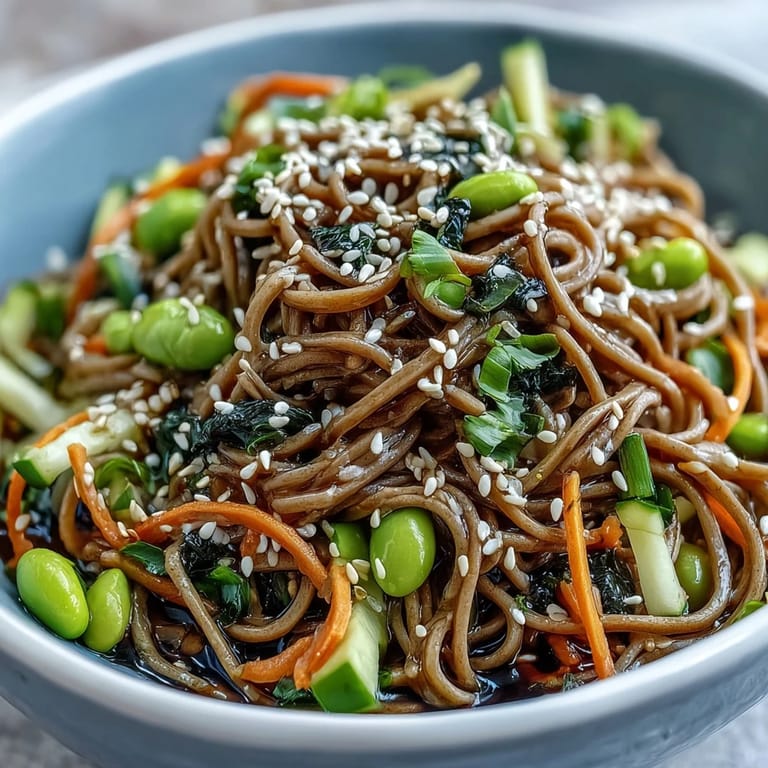
Save There's something about standing over a steaming pot of soba noodles on a warm afternoon that makes everything feel simpler. My neighbor mentioned she'd been craving something light but satisfying, and I remembered how this bowl came together one summer when I was trying to avoid heating up the kitchen. The cold sesame dressing clicked instantly—nutty, bright, and nothing like the heavy meals I'd been making. Now it's become my go-to when I want something that tastes intentional but doesn't demand much from me.
I made this for my partner when they were recovering from being under the weather, and watching them actually enjoy eating again reminded me why I love cooking these bowls. The chilled noodles felt restorative without being heavy, and somehow the colors on the plate seemed to matter—like brightness itself was healing. That's when I realized this wasn't just a recipe, it was a small act of care that happened to taste incredible.
Ingredients
- Dried soba noodles (250 g): These buckwheat noodles have a subtle nutty flavor and tender bite that's different from wheat pasta—they're worth seeking out at a proper grocery store because quality matters here.
- Shelled edamame (1 cup): Whether fresh or frozen, these little beans bring protein and a pop of color that makes the bowl feel complete.
- Cucumber and carrots: Julienne them thin so they soften slightly when tossed with warm noodles, but stay crisp enough to give you a satisfying crunch.
- Scallions (2, thinly sliced): Don't skip these—they add a sharp freshness that lifts the entire bowl.
- Toasted sesame seeds (2 tbsp): The toasting matters; it deepens the flavor into something almost caramel-like.
- Fresh cilantro or mint (1/4 cup, optional): Use mint if you want something cooling and herbaceous, cilantro if you prefer earthier notes.
- Soy sauce (3 tbsp): This is your umami anchor—use tamari if you need gluten-free.
- Rice vinegar (2 tbsp): It brightens the dressing without overpowering the other flavors.
- Toasted sesame oil (1 tbsp): A little goes far; use the good stuff because it's tasted.
- Tahini or peanut butter (1 tbsp): This creates creaminess and helps the dressing cling to the noodles.
- Honey or maple syrup (1 tbsp): Just enough sweetness to balance the salt and vinegar.
- Fresh ginger and garlic (1 tsp and 1 clove): These wake up your palate and add warmth without heat.
- Water: Keep this nearby to adjust the dressing's consistency as you whisk.
Tired of Takeout? 🥡
Get 10 meals you can make faster than delivery arrives. Seriously.
One email. No spam. Unsubscribe anytime.
Instructions
- Bring water to a boil and cook the soba:
- Follow the package timing—usually around 4 to 5 minutes—and you'll know they're done when they're tender but still have a slight chew. Drain them into a colander and rinse under cold running water, stirring gently with your fingers to prevent clumping.
- Blanch the edamame while noodles cook:
- Drop them into the same boiling water for 2 to 3 minutes just to warm them through and soften them slightly. Drain and set aside somewhere cool.
- Whisk the sesame dressing in a small bowl:
- Combine the soy sauce, rice vinegar, sesame oil, tahini, honey, ginger, and garlic, then whisk until smooth and creamy. If it feels too thick, add water a teaspoon at a time until it's pourable but not watery.
- Cut vegetables with intention:
- Julienne the cucumber and carrots into thin matchsticks—a mandoline makes this easier if you have one, but a sharp knife works perfectly fine. Slice the scallions thin so they scatter across the top.
- Toss noodles with half the dressing:
- In a large bowl, combine the cooled soba with about half of your sesame dressing, coating everything evenly. This ensures the noodles themselves taste good, not just the topping.
- Build each bowl thoughtfully:
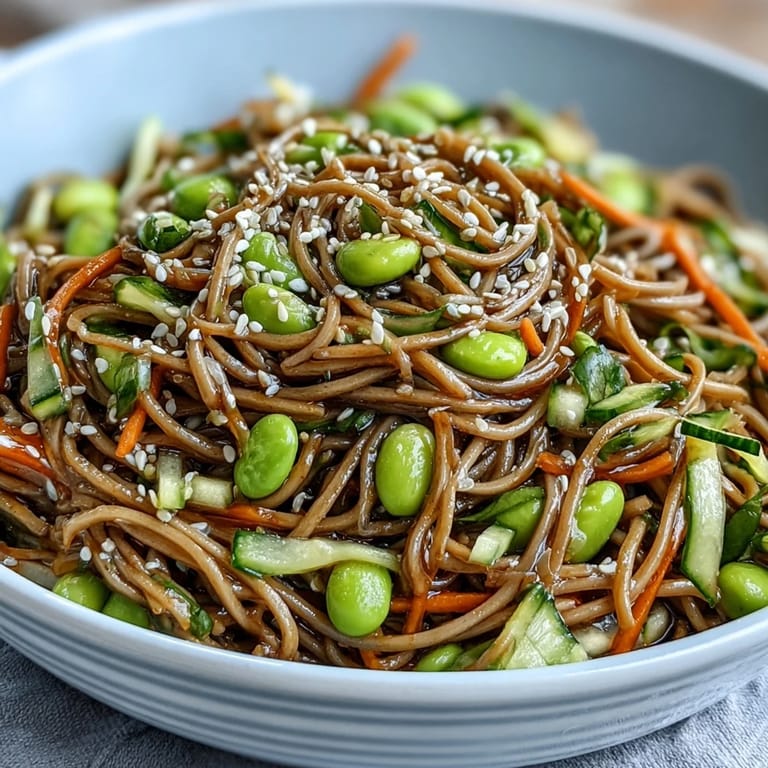
- Divide the dressed noodles among four bowls, then arrange the edamame, cucumber, carrots, and scallions on top in whatever way makes you happy. Drizzle with remaining dressing.
- Finish and serve immediately:
- Sprinkle sesame seeds and herbs over everything just before eating so they don't get soggy. Serve right away while temperatures are where you want them.
 Save
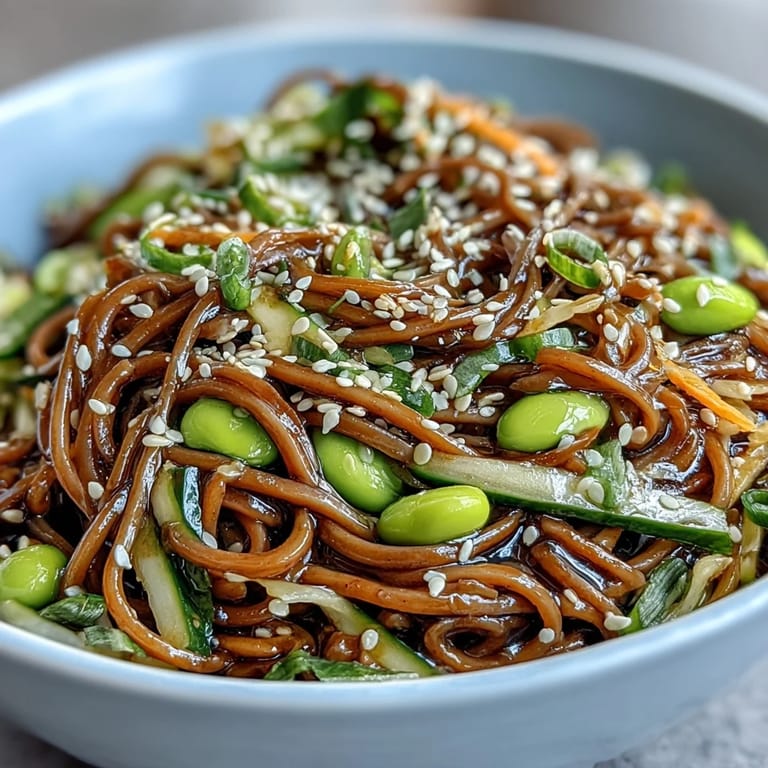
Save There was a moment when a friend who claimed to dislike soba noodles tried this bowl out of politeness, then asked for the recipe before finishing their first bite. It felt like small magic—the moment someone realizes they were wrong about something they thought they knew, and they're genuinely grateful for the reminder that food can surprise you.
Why This Dressing Works
The genius of this sesame dressing is its balance—the soy sauce provides saltiness and umami depth, the rice vinegar and ginger bring brightness, and the sesame oil whispers something rich and toasty underneath it all. Tahini makes everything creamy without dairy, while a touch of honey rounds out the sharp edges and helps everything taste like it belongs together. This isn't a dressing that demands attention; it's one that makes everything around it taste better.
How to Make It Your Own
The skeleton of this bowl is flexible enough to adapt to what's in your kitchen or what you're craving. On weeks when I have grilled tofu, I add it for protein; other times a soft-boiled egg works beautifully and adds richness that tahini alone can't match. I've swapped snap peas for cucumber when the weather turned cool, and once used shredded beets instead of carrots because that's what needed to be used.
Timing and Serving Suggestions
This bowl is designed to come together in about 25 minutes, which makes it perfect for weeknight dinners when you want something that feels more special than weeknight food usually is. It's equally good cold straight from the fridge the next day, though the noodles do absorb dressing overnight, so you might need to add a splash of water or extra dressing to loosen them up. If you're serving a crowd, make the components ahead and let people build their own bowls—it becomes more interactive and everyone gets exactly what they want.
- Prepare vegetables and dressing up to 8 hours ahead, storing them separately so nothing gets soggy.
- Cook noodles and edamame no more than 2 hours before serving for best texture and temperature.
- Add sesame seeds and fresh herbs right at the end so they stay crisp and assertive.
 Save
Save This bowl has become the recipe I return to when I want to cook something that tastes like care, but doesn't ask for complicated techniques or an hour of my time. It's proof that simple ingredients, balanced flavors, and a few minutes of attention can create something that feels nourishing in every way.
Questions & Answers
- → What makes soba noodles unique?
Soba noodles are made from buckwheat flour, giving them a nutty flavor and firm texture. They're traditionally served cold or hot in Japanese cuisine and provide a good source of plant-based protein and fiber.
- → Can I make this dish ahead of time?
Yes, you can prepare the vegetables and dressing up to 2 days in advance. Store them separately in airtight containers. Cook the noodles fresh and toss everything together just before serving for the best texture.
- → How do I prevent soba noodles from sticking together?
Rinse the cooked noodles thoroughly under cold water immediately after draining to remove excess starch. Toss them with a small amount of sesame oil or dressing to keep them separated until serving.
- → What vegetables work best in this bowl?
Crisp vegetables like cucumber, carrots, bell peppers, snap peas, and radishes complement the chewy noodles perfectly. Choose vegetables that maintain their crunch when raw or lightly blanched for the best texture contrast.
- → Is the sesame dressing adjustable?
Absolutely. Add more honey for sweetness, extra ginger for spice, or additional water to thin the consistency. You can also substitute tahini with peanut butter or almond butter for different nutty flavors.
- → How can I add more protein to this bowl?
Top with grilled tofu, baked teriyaki chicken, seared salmon, or soft-boiled eggs. Edamame already provides plant-based protein, but these additions make the dish more filling for heartier appetites.