 Save
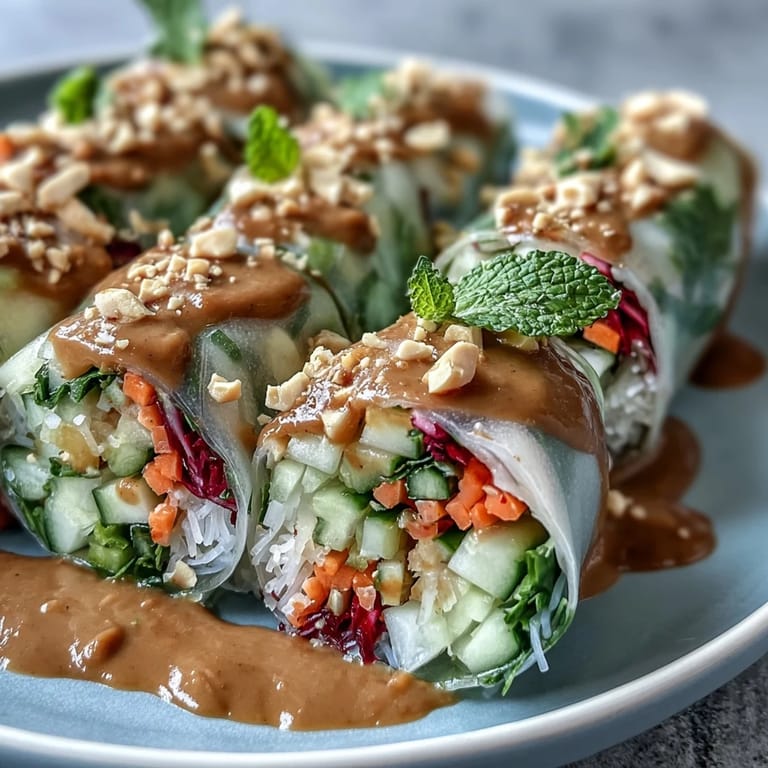
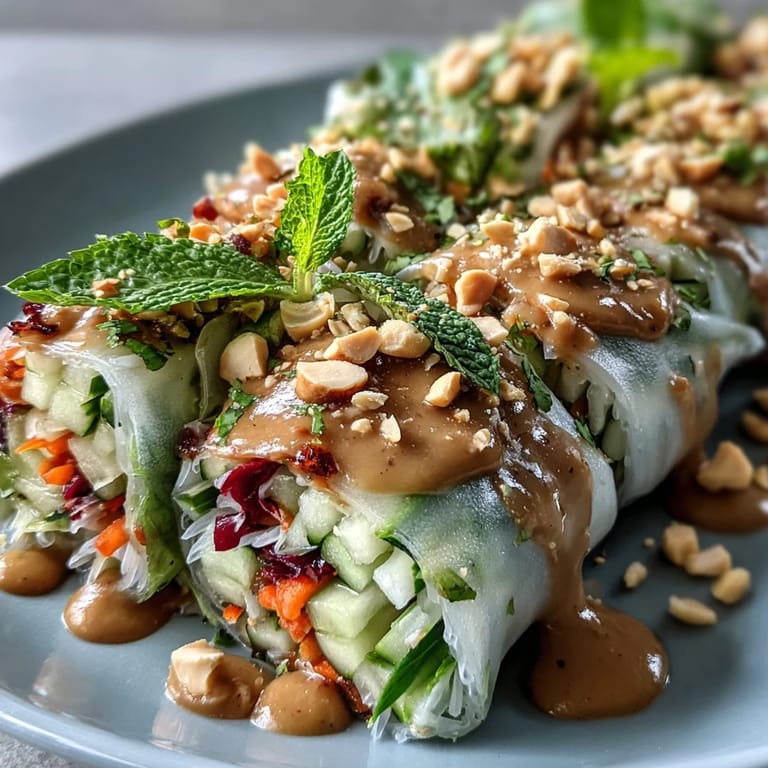
Save Last summer, my neighbor brought over a container of these rice paper roll bowls on a sweltering afternoon, and I realized I'd been overthinking Vietnamese food the entire time. She'd simply deconstructed the whole spring roll concept, laying everything bare in a bowl so you could taste each element separately, then mix them however you wanted. It felt like permission to stop being so precious about presentation, and honestly, it tasted better that way.
I made this for my sister's post-yoga group last spring, and watching them dive into their bowls with such genuine enthusiasm made me realize how much people crave freshness and choice. Someone asked for extra sriracha, someone else skipped the peanuts, and one friend mixed everything together immediately while another ate it in careful layers. There's something generous about a meal that lets everyone be themselves.
Ingredients
- Rice paper: These delicate sheets soften beautifully when barely kissed with warm water and add a subtle chewiness that vermicelli alone won't give you.
- Jasmine rice or vermicelli noodles: The rice feels more substantial and forgiving if you're serving people who prefer heartier bowls, but vermicelli lends an authentic lightness.
- Protein of choice: Grilled chicken breast stays tender when sliced thin against the grain, tofu absorbs the sauce like a sponge if you press out the moisture first, and shrimp cooks in minutes.
- Carrot, cucumber, bell pepper, red cabbage: The variety of colors and textures creates actual excitement in every bite, and keeping them raw preserves their snap.
- Mixed salad greens, mint, cilantro: Fresh herbs aren't garnish here; they're the backbone that makes everything taste alive and bright.
- Creamy peanut butter: Use the kind without added sugar if you can find it, as it balances better with the salty and spicy elements.
- Soy sauce, hoisin, rice vinegar, lime juice: These four create the salty-sweet-sour-umami foundation that makes people ask for the recipe.
- Sriracha: Optional but honestly, the heat rounds out all those cooling vegetables.
- Roasted peanuts and fried shallots: These are your textural insurance policy, adding crunch when the rice paper softens in the sauce.
Tired of Takeout? 🥡
Get 10 meals you can make faster than delivery arrives. Seriously.
One email. No spam. Unsubscribe anytime.
Instructions
- Soften the rice paper sheets:
- Fill a large shallow dish with warm water and dip each sheet for just 5 to 10 seconds until it starts to bend but still has slight resistance. If you leave it too long, it tears; too short, it won't bend. Lay each softened sheet on a clean kitchen towel, then stack 2 or 3 sheets and cut them into rough strips or squares with a knife or scissors, working quickly before they harden again.
- Cook your protein:
- Whether you're grilling chicken, pan-frying tofu, or boiling shrimp, season it generously because it's competing with bold sauce. Let it cool slightly before slicing or cubing so it doesn't wilt the greens when you assemble.
- Slice and prep the vegetables:
- Julienne the carrot and cucumber with a mandoline or knife so they're thin enough to soften slightly in the sauce but still hold their shape. Thinly slice the bell pepper, shred the cabbage, and wash the salad greens.
- Make the peanut sauce:
- Whisk together peanut butter, soy sauce, hoisin, rice vinegar, lime juice, and sriracha in a bowl. The mixture will look thick at first, which is when you add warm water a little at a time, stirring until it flows like thick cream. Taste and adjust; if it's too salty, add more lime juice or water.
- Assemble the bowls:
- Divide your rice or noodles evenly among four bowls, then layer on the cut rice paper pieces, raw vegetables, salad greens, and your chosen protein. Think of it as a composed salad rather than trying to make everything blend together before serving.
- Finish and serve:
- Drizzle generously with peanut sauce so it coats everything, then sprinkle with chopped roasted peanuts and fried shallots if using. Set lime wedges on the side so people can brighten things up as they eat.
 Save
Save My kid's friend came over once and asked if she could have the sauce in a separate container because she wanted to control how much went on each bite. I loved that she knew herself that well, and now I always serve the sauce on the side. It's a small thing, but it shifted how I think about feeding people: the meal isn't just food, it's a conversation about what everyone actually wants.
Why the Rice Paper Matters
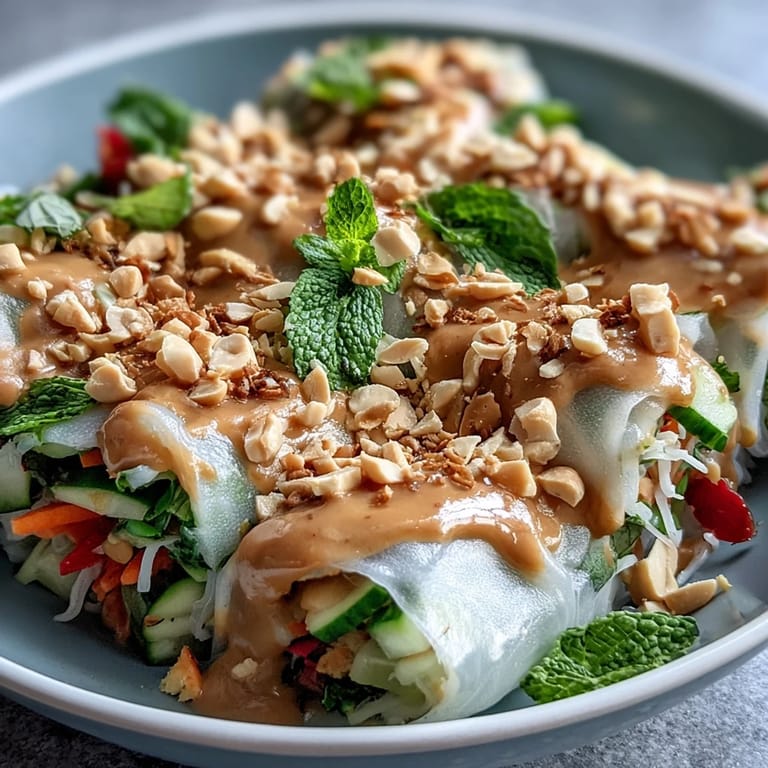
Rice paper is the secret ingredient most people skip because they think it's complicated, but it's actually the opposite. Those translucent sheets add a subtle chewiness that noodles or rice alone can't replicate, plus they catch the sauce in their wrinkled surfaces. When you cut them into shards, you get texture without texture-heaviness, if that makes sense. They're like the difference between a salad and a composed plate.
Building Your Protein Strategy
The protein you choose changes the entire vibe of the bowl. Chicken feels casual and approachable, tofu brings a meditative calm because its blank canvas lets you taste the sauce, and shrimp makes it feel slightly fancier without requiring extra work. I've found that cold leftover proteins work beautifully here because the sauce warms everything up flavor-wise. The best part is that you can prep your protein the night before and this becomes a pure assembly job.
Customization and Variations
This bowl thrives on flexibility because it's designed to meet different cravings and diets in a single dish. Some people add sliced avocado for richness, others layer in pickled vegetables for tang, and vegetarians who eat fish sauce can add a splash for depth. The beauty is that no one feels left out at the table because everyone's bowl can be completely different. One thing I've learned is that having small bowls of toppings at the table for people to choose from makes everyone feel like they're making something uniquely theirs.
- Add sliced avocado, pickled vegetables, or even crispy fried onions if you want different textural layers.
- Swap the peanut sauce for a ginger-sesame dressing if someone at your table prefers it.
- Keep extra lime wedges and fresh herbs on hand because people will want to adjust their bowls as they eat.
 Save
Save This bowl is the kind of meal that reminds you cooking doesn't have to be complicated to feel special. Every time I make it, someone asks for the recipe, and that never gets old.
Questions & Answers
- → What protein works best in this bowl?
Grilled chicken breast offers smoky depth, while pressed tofu absorbs flavors beautifully. Shrimp adds sweetness and pairs perfectly with the Vietnamese-inspired sauce. Choose based on preference or dietary needs.
- → How do I prepare rice paper for bowls?
Dip sheets in warm water for 5-10 seconds until pliable, then stack and cut into strips or squares. Don't oversoak or they'll become difficult to cut. They'll continue softening in the bowl.
- → Can I make this ahead of time?
Prepare vegetables and sauce up to 24 hours ahead. Store components separately. Rice paper becomes gummy if prepped too early, so cut just before serving for best texture.
- → What can substitute for peanut butter?
Almond butter or sunflower seed butter work well as peanut-free alternatives. The flavor profile shifts slightly but creaminess remains. Adjust lime and soy to taste.
- → How do I store leftovers?
Keep components separated in airtight containers. Rice paper softens considerably overnight, so add fresh pieces when reheating. The sauce thickens in the fridge—thin with warm water before serving.
- → Is this bowl gluten-free?
Use tamari instead of soy sauce and verify your hoisin is gluten-free. Most rice papers are naturally gluten-free, making this an excellent option for those avoiding wheat.